Close ×

How would you like to get involved?

XPOSED XPANDED

Exhibitons 2026

18 Artists  |  2 Venues  |  3 Rooms

curated exhibition of films, videos, and installations that reflect past and future of XPOSED.

We have three exhibition rooms which feature films, video, and virtual-reality installations based on previous curation of XPOSED, from the last 20 years, as well as looking forward.

Venue 1: AQUARIUM

Kottbusser Damm 22
10967 Berlin, Kreuzberg

Opening times: Wed–Fri 14:00–20:00 · Sat–Sun 12:00–18:00

Aquarium - Room 1

Room 01

Marion Habringer, Mona Ruijs, Claudix Vanesix, Ahmed Umar, Rosh Zeeba, Abdullah Qureshi, Amber Bemak & Nadia Granados

“The screen has accidentally, intentionally, been left blank”

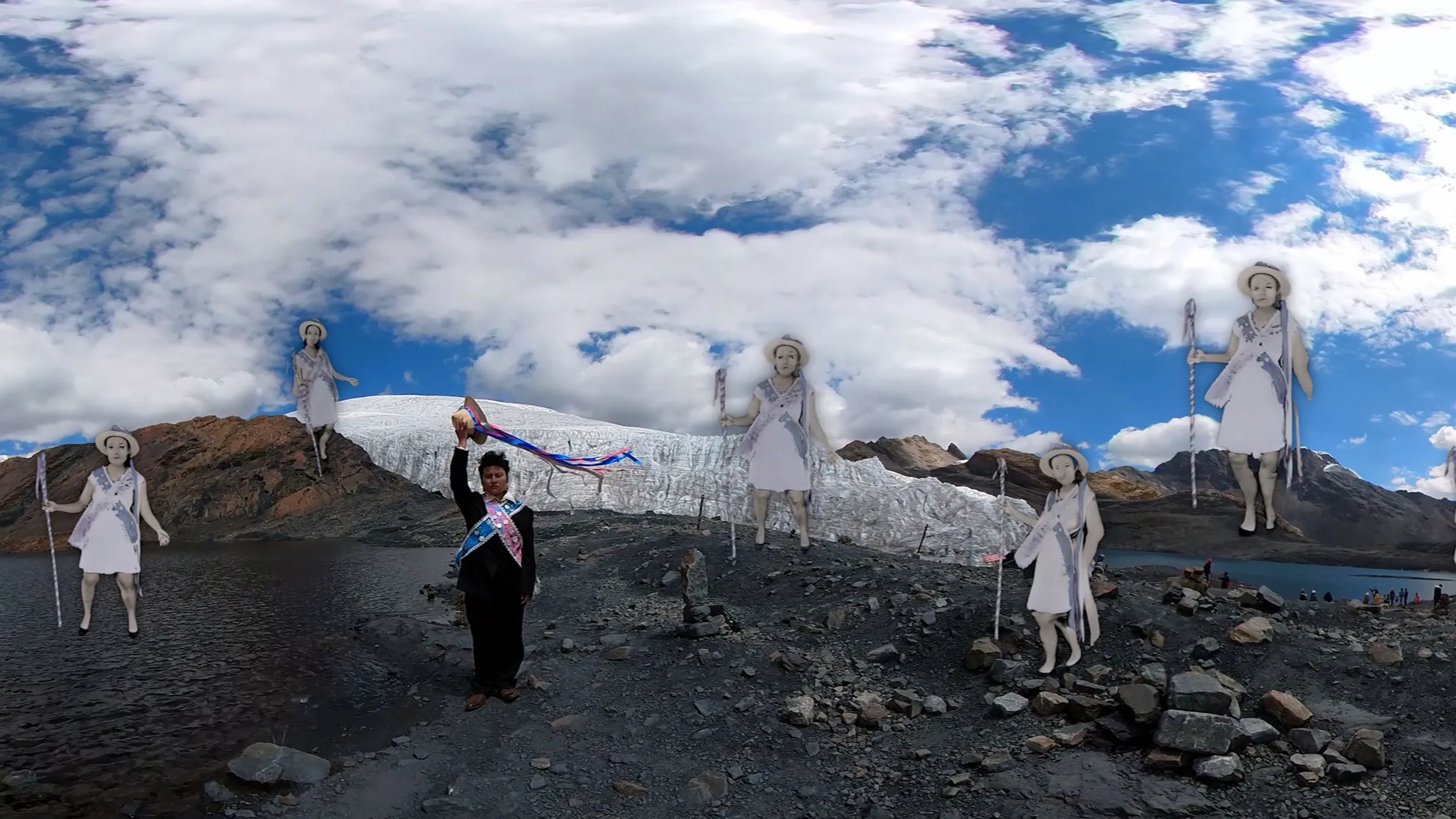
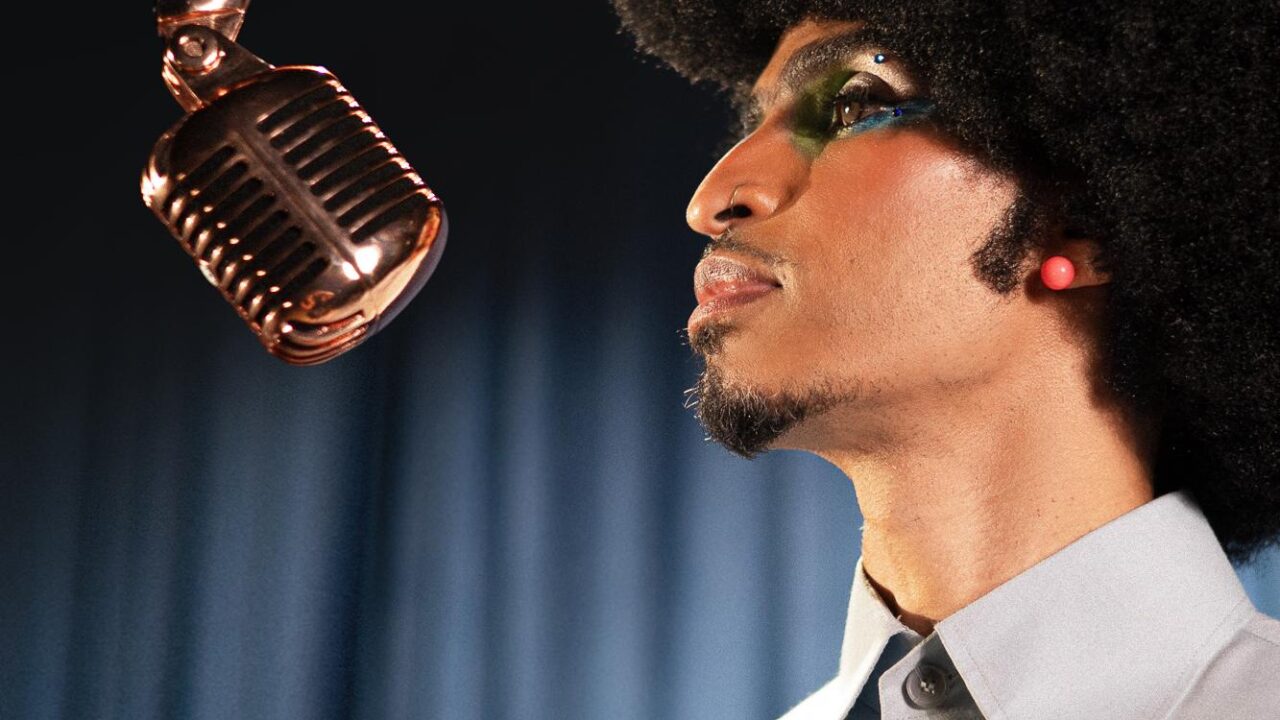
The title comes from a quote by the late Mona Ruij's work. The works show how queer and immigrant bodies take over cinematic and geopolitical spaces, reclaiming rights and heritage. The screen, in this case, represents cinema as a potential site for interventions, reinterpretations, and imaginations. The works shown in this room demonstrate how queer and immigrant bodies take over cinematic and other spaces, be they geopolitical, memorial, or temporal, reclaiming their rights, heritage, and boldness. It features sketches and posters for the last few editions of XPOSED, by Marion Habringer, who has been the festival’s graphic designer since the early editions. It begins with the central piece of the room: Dance Permit (Denied) by Claudix Vanesix, a VR installation that allows the artist’s nonbinary body to reclaim the Peruvian tradition Los Negritos de Sipsa, typically reserved for masculine heritage. Similarly, Truth Bears No Scandal by Ahmed Umar presents the artist singing classical Sudanese poetry songs from the 1920s to 1970s, written from same-sex perspectives. Roya by Rosh Zeeba continues these imagined tales of snails, queer lovers, and an Iranian garden of paradise against the backdrop of ongoing geopolitical violence. Journey to the CharBagh by Abdullah Qureshi summons the Pakistani mythological creature of winged horses, embodying queer Sufi tales of longing, spiritual awakening, and cruising. Finally, Borderhole by Amber Bemak and Nadia Granados confronts realities at the border between North and South America by imagining new borders, reflecting the current forefront of global geopolitics, mediated through media, queer female bodies, and ecologies.

Venue 2: Vierte Welt

Adalbertstraße 96, 10999 Berlin

Opening times: Between 21.05.2026 – 14.06.202626
Thu-Sun, 16:00-21:00

Room 01 - Vierte Welt

Room 01

Queer.space (with Electric South) | Omar Gabriel | Lasse Långström | Ming Wong

“Live from home”

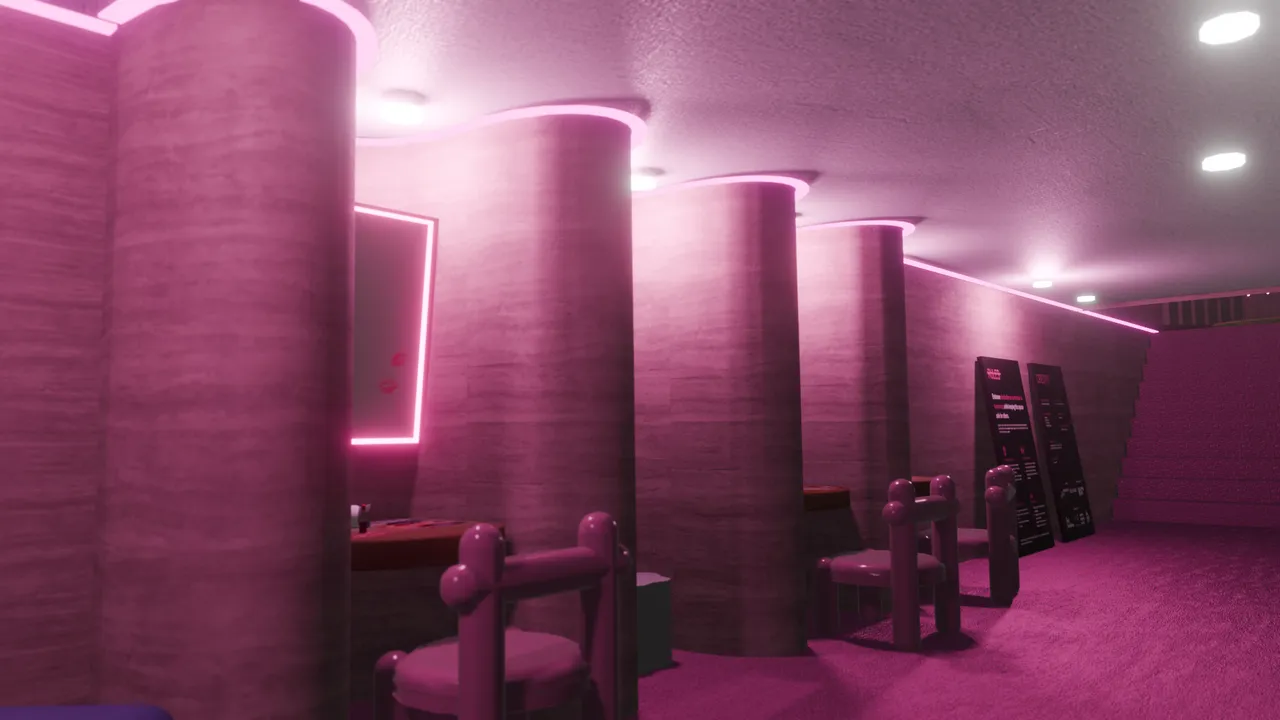
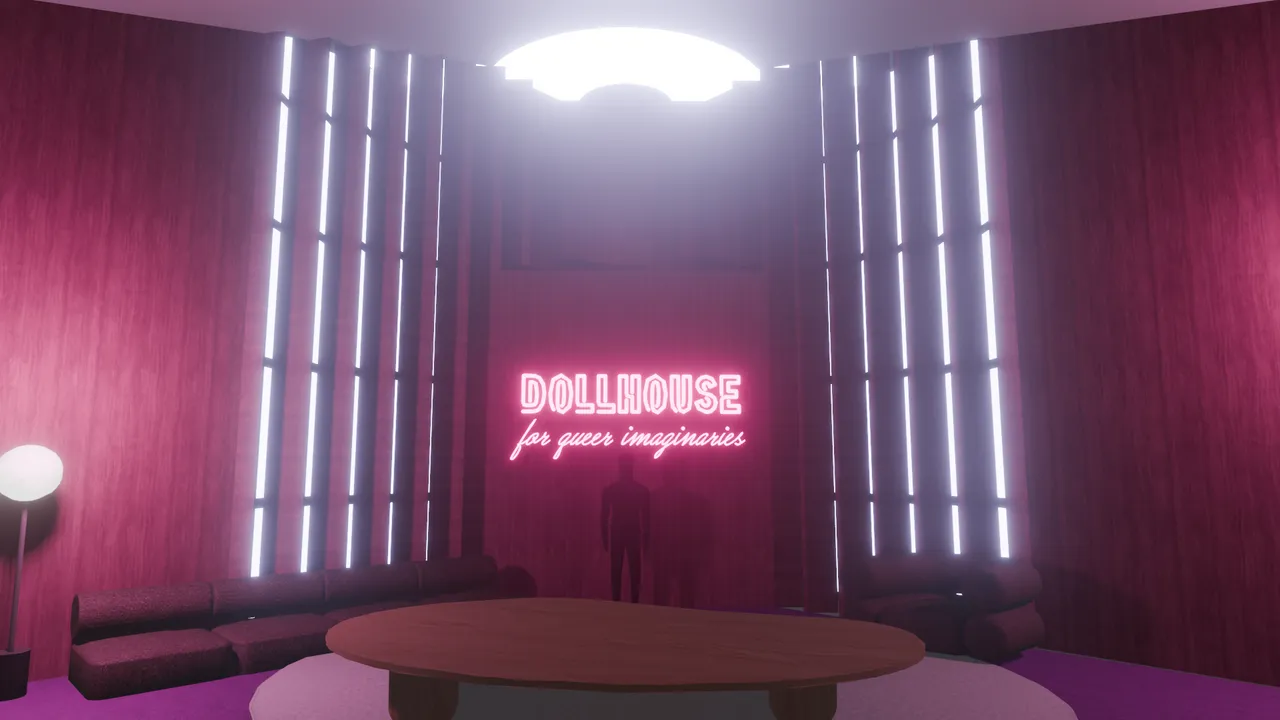
Centralizing the topic of home, kinship, and domesticity in queer films, this room brings you up close and intimate with the subjects in their space, as if these works mediate queer realities “live” from home, from a place they belong to (or not). It starts with the central piece, the VR installation Queer.space’s Doll House for Queer Imaginaries (2024), which houses experiences of queer people in South Africa in a virtual chatroom, set within a campy dollhouse. Nearby, Omar Gabriel’s multi-screen installation Letter to Myself (2022) collects testimonies from queer family members, be it sister, mother, or father, in Lebanon. Together, as an installation, each screen acts as access to individual histories and the collective intimacy shared in a safe space. Lasse Langström’s Who Will Fuck Daddy? (2017) uses artistic pornography as a site for imagining queer beings in cosmic constellations, a cycle of earthly deaths and rebirths. Opposing each other are Ming Wong’s Learn Deutsch mit Petra von Kant (2016), which roleplays the famous Petra from Fassbinder’s film, learning German (as an immigrant) with her in her house. Here we think of domestication, of dreaming of children, of overcoming trauma, and of championing hope within a system that rejects our joy.

Room 02 - Vierte Welt

Room 02

Domenico Singha Pedroli | Lui Avallos | Doireen O’Malley | Finn Paul | Nikolai Ursin | Vika Kirchenbauer | Oat Montien | Aurora Brachman and Latajh Weaver

“Follow their footsteps”

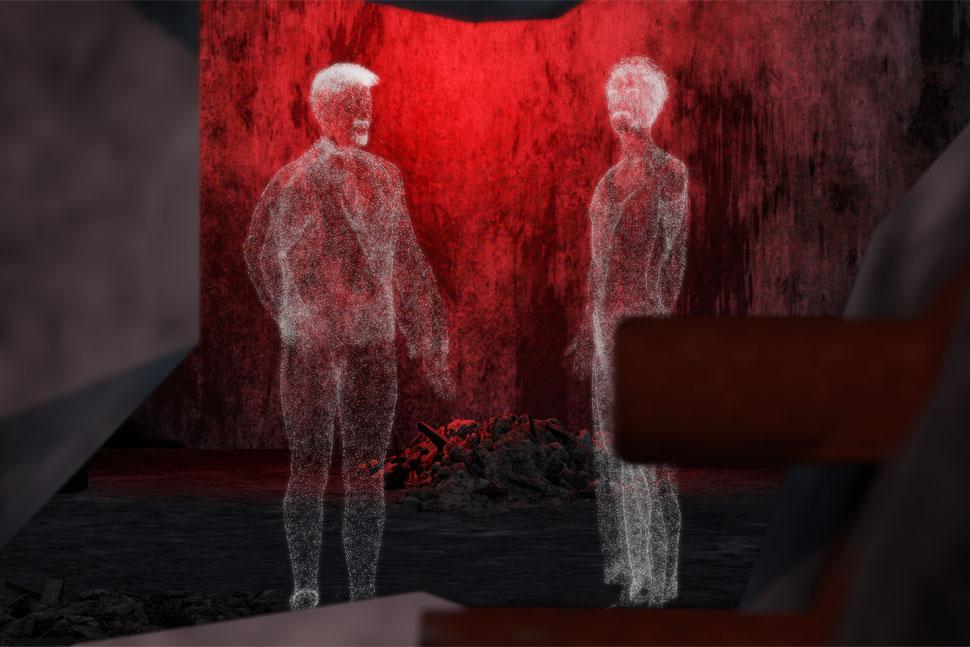
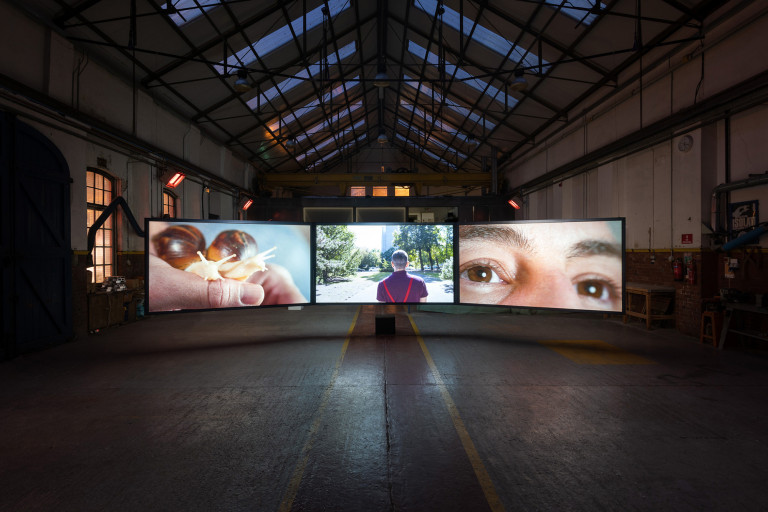
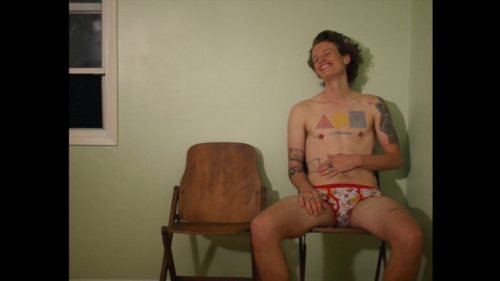
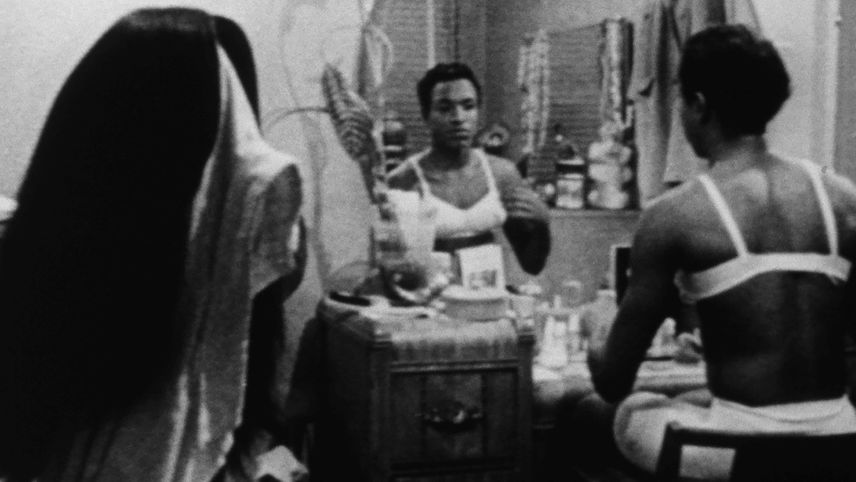
This room is a portal where dreams and images across time and space collide, overlap, and are analyzed, grounded in the belief that queer time is not linear and remains largely for us to construct. It features two VR installations. One is Domenico Singha Pedroli’s Another Place (2025), which follows a transgender political activist from Thailand living in France, who brings us on a walk, confronting racist and transphobic asylum procedures, as well as feelings of alienation. The other is Lui Avallos’ Queer Utopia: Act 1 Cruising (2023), in which the protagonist, a Brazilian elder gay man, takes us on a trip down memory lane, through the shabby toilets where one used to have sex, and the places where he once dreamed. As the central piece, Doireann O’Malley’s three-screen installation Prototype 1 (2019), which also won the first XPOSED Short Film Fund, looks at trans* knowledge and our psycho-ecological bodies through the lens of psychoanalysis and Deleuzian philosophy. On the opposite wall, one sees Finn Paul’s Beside the Water 1999–2004 (2018), similarly a collection of memories and tales: photographs, found footage, and landscapes of lovers. On the left and right sides of the room, we see Nikolai Ursin’s Behind Every Good Man (1967), one of the earliest short documentaries depicting a Black trans woman in the United States with sensitivity and humanity. Nearby is Oat Montien’s Pearl Boy (2025) installation, thematizing the exploitation of Thai sex workers amid neocolonial tourism, while also showing how they carve out space for joy and self-empowerment. On the opposite side is Vika Kirchenbauer’s Untitled Sequence of Gaps (2016) examines how the visible spectrum of light can be read through a queer lens, engaging with concepts of memory loss, ghosts, and censorship. Aurora Brachman and Latajh Weaver’s Hold Me Close (2024), which echoes a similar process of envisioning queer lesbian Black lives in a country, or place, that is extremely unlivable. This room invites us to follow in each other’s footsteps, often those of strangers, elders, and non-humans, dreaming, longing, and hoping together.

Artists

Marion Habringer

Marion Habringer

Sketches, mock-ups, posters from last 20 years of XPOSED

The exhibition features sketches and posters for the last few editions of XPOSED, by Marion Habringer, who has been the festival’s graphic designer since the early editions.

Mona Ruijs

Mona Ruijs

Untitled (8min / 1-channel video)

UNTITLED is an incisive collection of oxymorons accompanied by the true story of Mili. This experimental short film urges us to look at the extraordinary contradictions in our ordinary lives.

Claudix Vanesix

Claudix Vanesix

Dance Permit (Denied) (VR installation)

In this fusion of theatrical dance performance and 360 documentary, Vanesix questions the exclusive rights of men in Peruvian society, reclaiming a place in their culture.

Ahmed Umar

Ahmed Umar

Truth Bears No Scandal (12min / 1-channel video)

Umar explores three well-known Sudanese songs with hidden backstories, presenting them directly and unapologetically queer.

Rosh Zeeba

Rosh Zeeba

Roya (20min / 1-channel video)

A half-documentary, half-fictional narrative reflecting on belonging and upheaval through longings and dreams. Roya questions the exoticizing gaze of western viewers.

Abdullah Qureshi

Abdullah Qureshi

Journey to the CharBagh (17min / 1-channel video)

A poetic exploration of queerness from a Muslim perspective, drawing upon Sufi traditions and the mythological figure of the Buraq.

Amber Bemak & Nadia Granados

Amber Bemak & Nadia Granados

Borderhole (14min / 1-channel video)

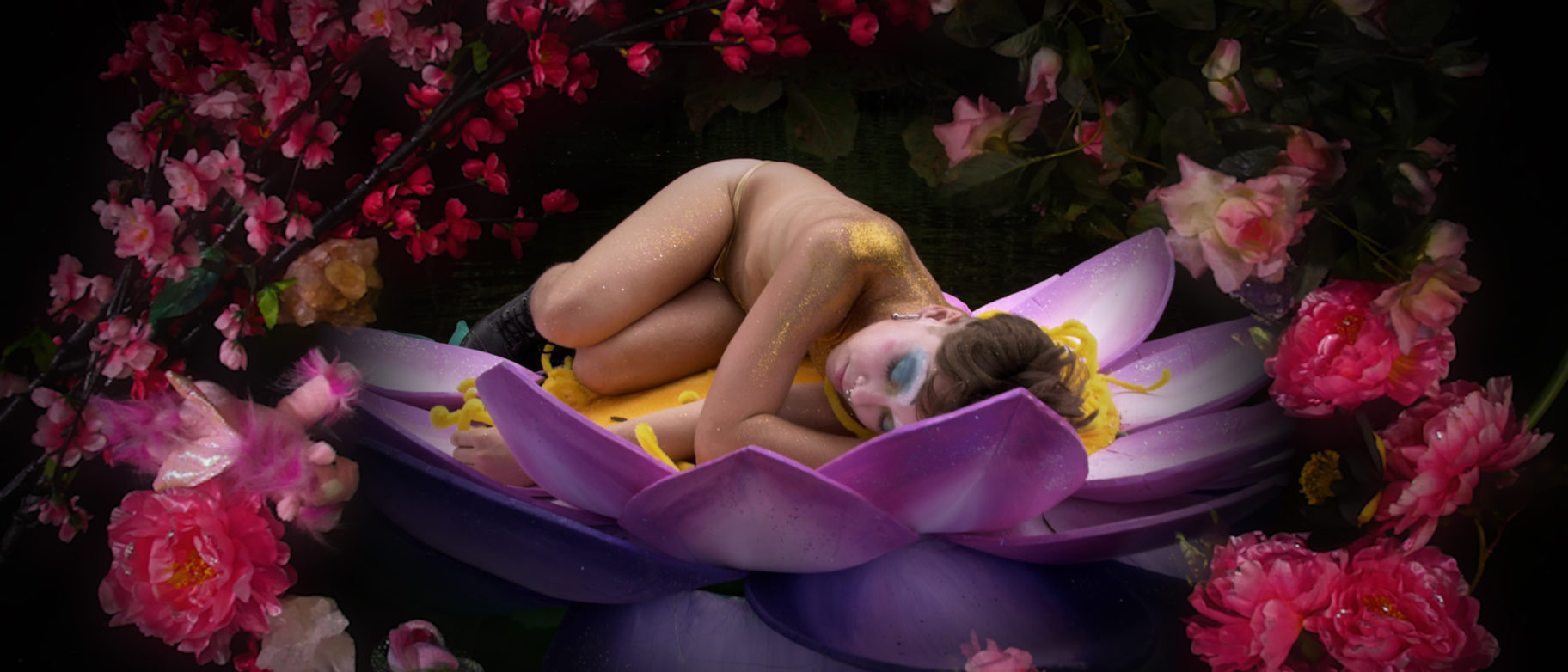
Exploring imperialism and globalization through pop music and the choreography of women’s bodies on a mythical border area.

Queer.space

Queer.space (with Electric South)

Doll house for queer imaginaries (VR installation)

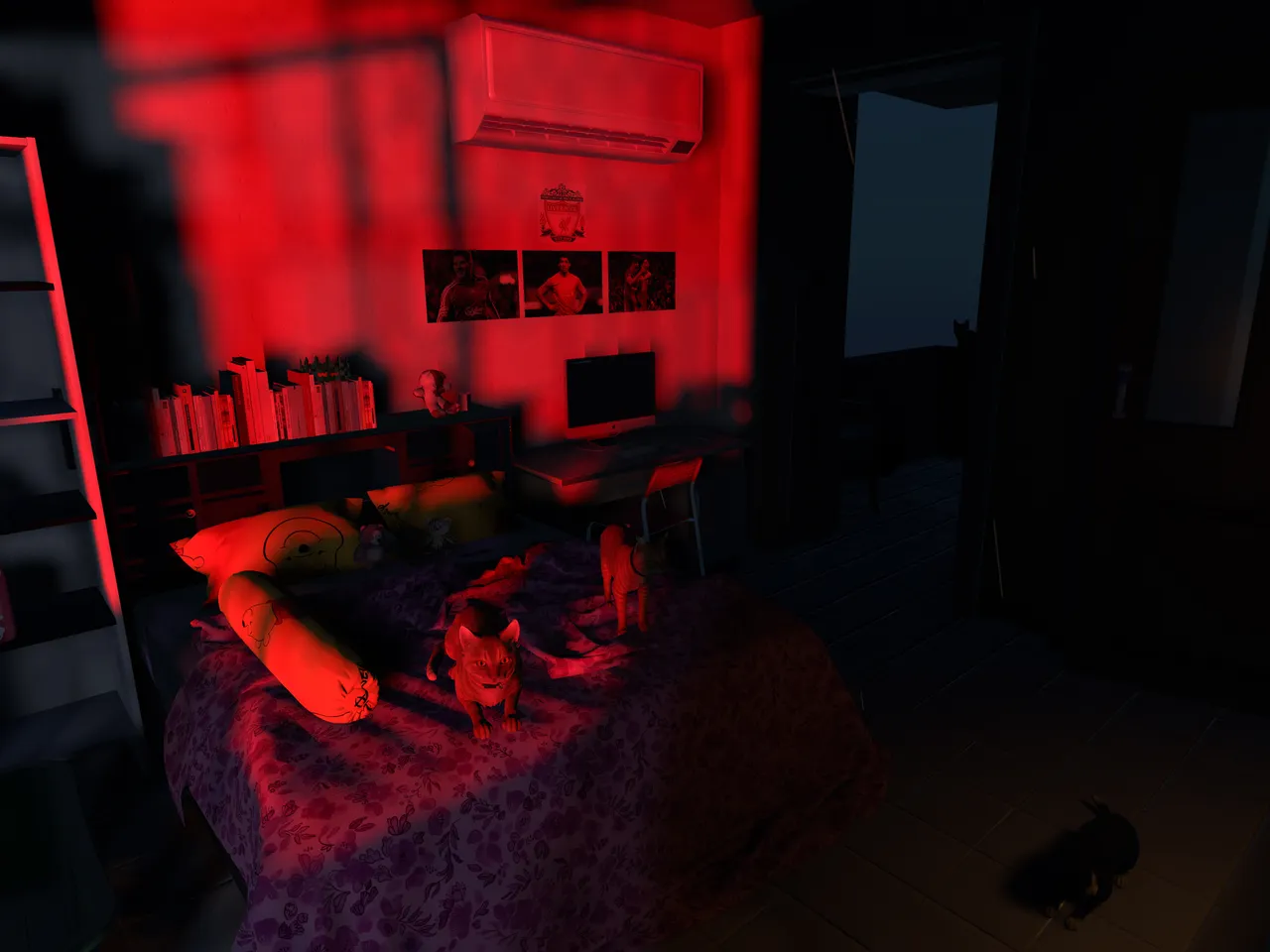
A social VR project reflecting on what home means, drawing inspiration from nightlife and cruising culture in a digital safe space.

Omar Gabriel

Omar Gabriel

Letters to myself (Video installation)

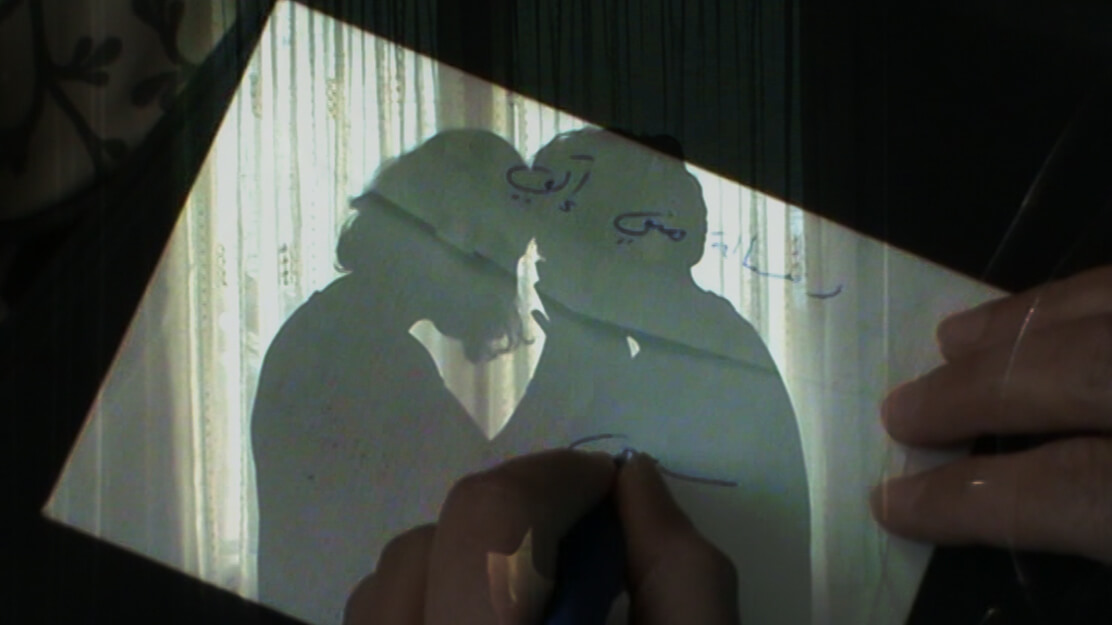
A documentary series about Lebanese LGBTQI individuals writing letters to themselves as they rebuild their lives.

Lasse Långström

Lasse Långström

Who will fuck daddy? (64min / 1-channel video)

A hypnotic, personal film mixing mystical images with political themes of rebirth and the death of heteronormativity.

Ming Wong

Ming Wong

Learn Deutsch with Petra von Kant

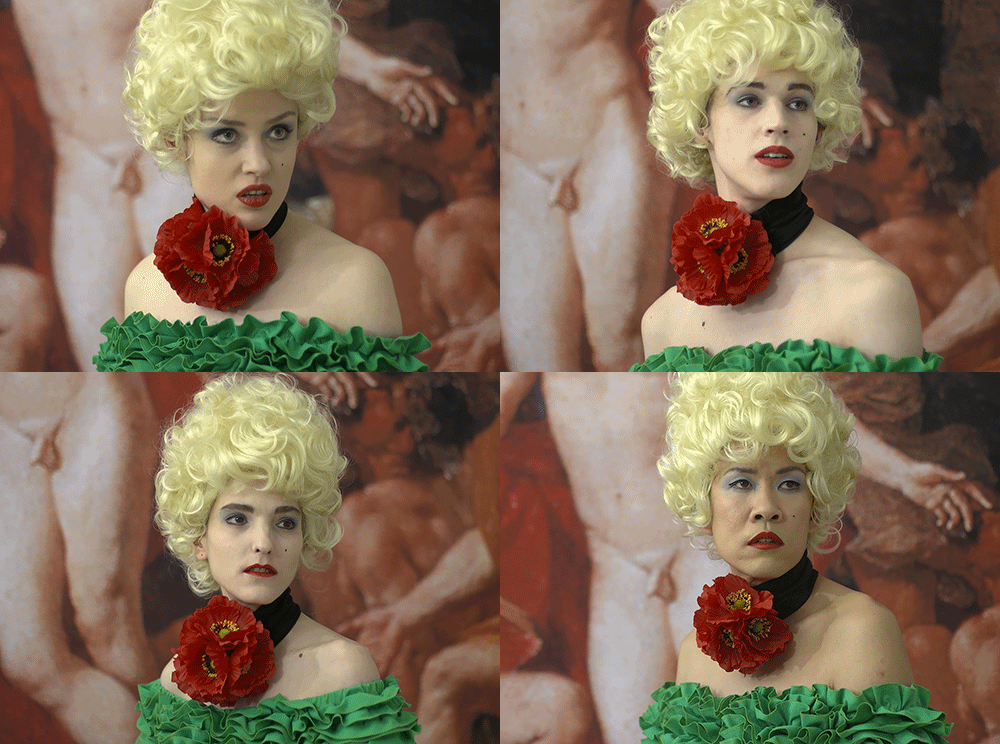
Ten years of German integration commemorated through the collective transformation into Fassbinder’s Petra von Kant.

Aurora Brachman & Latajh Weaver

Aurora Brachman & Latajh Weaver

Hold Me Close (19min / 1-channel video)

Exploring the domestic relationship between two Queer Black womxn through elegantly composed tableaus and intimate audio.

Domenico Singha Pedroli

Domenico Singha Pedroli

Another Place (VR installation)

A ghost story about a trans woman from Thailand waiting for asylum in Paris, sharing her longing for home through a VR experience.

Lui Avallos

Lui Avallos

Queer Utopia: Act 1 Cruising (VR installation)

An immersive narrative following a retired playwright as he reconstructs fragments of queer memories before they fade away.

Doireann O’Malley

Doireann O’Malley

Prototype 1 (3-channels installation)

Exploring new perspectives on trans identity through psycho-analytic methodology and systems theory within Berlin's Hansaviertel.

Finn Paul

Finn Paul

Beside the water 1999-2004 (1-channel video)

A gesture of abundance addressing the erasure of trans history through a video essay of transmasculine sexual discovery.

Nikolai Ursin

Nikolai Ursin

Behind every good man (1-channel video)

An illuminating glimpse into the life of an African American trans person, rendered as stable and hopeful before the Stonewall Uprising.

Vika Kirchenbauer

Vika Kirchenbauer

Untitled Sequence of Gaps (1-channel video)

An essay film approaching trauma-related memory loss via reflections on light outside the visible spectrum.

Oat Montien

Oat Montien

Pearl Boy (1-channel installation)

Using Phuket’s pearl farming process as a symbol for sex workers, generated from foreign intervention and local trauma.